Indonesia has a tropical climate, so it does not have winter, autumn, or spring like countries in Europe or the United States. Instead, the country generally experiences two main seasons: the dry season and the rainy season.
Planning a wedding in Indonesia requires an understanding of local weather patterns, especially if you are hosting outdoor events. In Bali, the two seasons can have a direct impact on your ceremony, reception, and overall wedding plans.
The dry season generally runs from April to October across popular coastal areas such as Uluwatu and Seminyak. During these sunnier months, gentle ocean breezes can create comfortable conditions for outdoor ceremonies and receptions.
Weather is not the only factor to consider when planning a Bali wedding. Your budget can also vary depending on the venue, number of guests, catering, decorations, photography, accommodation, and other services. Reviewing a Bali wedding cost breakdown early can help you understand the main expenses and set a realistic budget for your celebration.
Decoding Bali Weather: Dry vs. Wet Seasons
Understanding seasonal transitions helps you select the exact month that matches your wedding vision. Atmospheric conditions shift dramatically between seasons, affecting ambient temperature, ocean moisture, and sky clarity.
The Dry Season: April to October
The dry season offers consistent sunshine and crisp atmospheric clarity ideal for outdoor photography. Coastal temperatures stay comfortable due to persistent trade winds sweeping across the Indian Ocean. Low precipitation risk allows couples to plan outdoor cliffside or beachfront receptions with high confidence.
The Wet Season: November to March
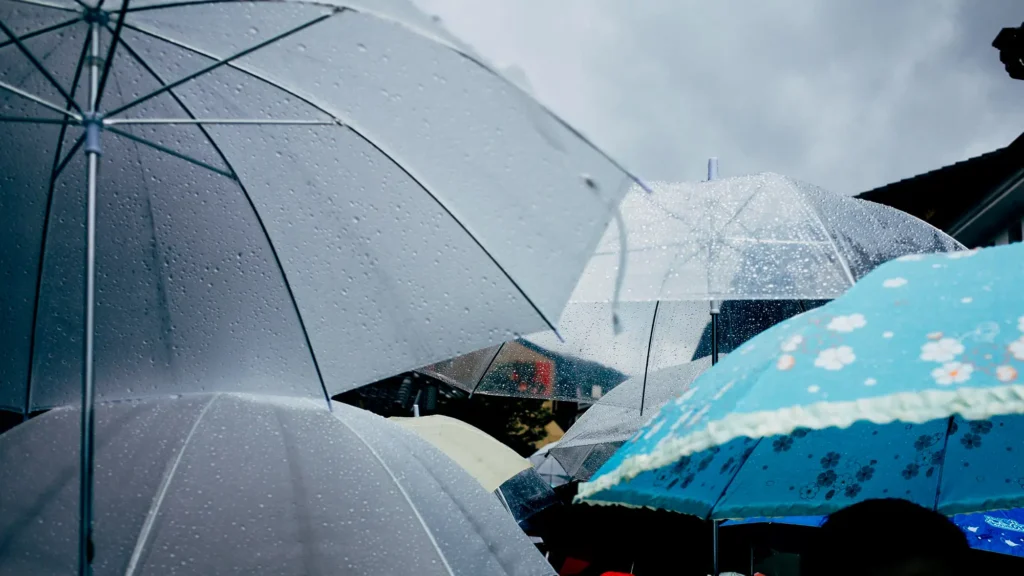
Conversely, the equatorial wet season brings heavy monsoonal rain showers from November until March. High atmospheric humidity levels create sultry evening temperatures that can discomfort your traveling wedding guests. Unpredictable tropical downpours frequently disrupt oceanfront reception dinners during peak monsoonal months like January. Couples must evaluate regional precipitation historical trends carefully before confirming their tropical destination wedding date.
Rainy Seasons Wedding Strategy
Experienced island wedding planners strongly advise against hosting completely unsheltered outdoor receptions during wet months. Unexpected cloudbursts can quickly ruin delicate floral installations, electrical audio gear, and expensive formal attire. If you schedule your ceremony and reception during rainy months, you must secure robust weather contingency infrastructure.
Installing Heavy-Duty Waterproof Tents
Professional event coordinators recommend pitching heavy-duty waterproof marquee tents over open-air dining areas well beforehand. Modern transparent marquees allow guests to enjoy lush tropical backdrop views while staying completely dry. Proper flooring installation under the tent prevents mud accumulation during sudden equatorial downpours.
Be Smart to Choice Wedding Location During Wet Seasons
Be smart to choose a resort venue that offers outdoor lawns and indoor ballrooms. For weddings during the wet season, consider booking the entire property if your budget allows. This gives you more privacy, flexibility, and better options if unexpected weather changes affect your plans. Having immediate access to indoor spaces guarantees uninterrupted festivities regardless of sudden coastal storms. Selecting multi-functional property venues protects your financial investment while preserving your ideal wedding vision.