Compiled by destination event strategists using regional meteorological logs, local Banjar community guidelines, and direct insights from top-tier Balinese wedding coordinators.
Planning a destination wedding in Bali presents incredible opportunities alongside unique logistical considerations. Moving from initial date selection down to local paperwork requires clear coordination across several distinct planning phases.
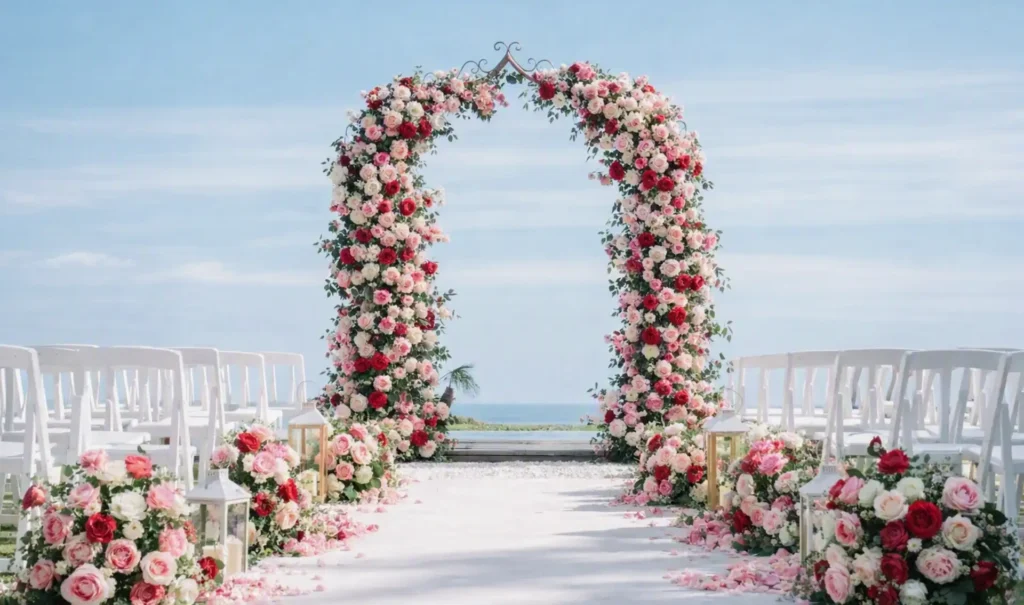
There are many options for popular wedding themes, but some classic and timeless themes include traditional, rustic, vintage, modern, nautical, boho chic, and enchanted garden.
Take inspiration from the seasons, your favorite movie, and specific color palettes.
Choosing the Best Time to Get Married in Bali
Bali’s Climate Dry vs Rainy Season
There are two seasons in Indonesia, Dry and Rainy Seasons. Dry season spans from April through October across of Bali. This interval this month is the best time to celebrate your day across the Bali Area for open-air afternoon ceremonies.
Conversely, the equatorial wet season runs from November through March. While rain showers are often brief, they still require robust weather-backup plans for any outdoor reception.
Shoulder Months Sweet Spot
April, May, September, and October represent the most strategic calendar windows for destination couples. These shoulder months deliver clear skies and reduced precipitation while avoiding peak holiday resort surcharges. Booking during these windows maximizes your venue budget while providing guest travel flexibility.
Crucial Local Calendars to Consider
Event timing must account for major Balinese cultural observances:
Nyepi Day (Day of Silence) is Hindu tradition in Bali which the entire island ceases operations for 24 hours. Airports close, street traffic stops, and outdoor lighting is prohibited.
Low Season is from January to March and is characterized by fewer tourists, a less crowded atmosphere, and generally lower prices. It is an excellent time for budget-conscious travelers and those wishing to avoid the crowds of the peak travel season. However, keep in mind that this season can also bring higher rainfall and humidity, which may impact outdoor activities.
High Season period usually occurs between July and August, and again in December around Christmas and New Year. During these months, Bali is at its liveliest, bustling with tourists and a vibrant atmosphere. This time is ideal for those who prefer a more active and energetic travel experience. However, be prepared for higher prices and busier schedules.
Peak Season period also offers the best weather, characterized by dry and sunny conditions. However, it is crucial to plan your trip well in advance to navigate the busiest times and ensure a smooth experience.
Wedding Cost Estimation & Budgeting
Here’s general information on wedding costs in Bali, from intimate wedding to luxury wedding celebration:
Venue fees range from $1,000 to $7,000, depending on the location (beachfront, villa, resort) and level of exclusivity or buyout hold of the villa on the day.
Small wedding in Bali with 20–30 guests, the estimated total cost ranges from $6,000 to $13,000, depending on the type of venue, styling, and catering and additional entertainment at night party. Catering and venue rental constitute the largest cost components, while documentation and planning expenses.
Medium wedding or mid-sized typically has 50–100 guests, costs typically range from $10,000 to $30,000. Luxury weddings can exceed $50,000.
Before making final arrangements, it can be helpful to understand the difference between a religious ceremony and a legal ceremony in Bali. Knowing what each option involves can help you choose the right approach and plan your wedding with fewer surprises.
Legal Marriage Requirements for Foreigners
Indonesian law mandates that legal ceremonies fulfill both religious and civil registration requirements. Both partners must profess the same recognized religion (Islam, Protestantism, Catholicism, Hinduism, or Buddhism).
Necessary Documentation Checklist
Foreigner must submit the following documents to local authorities at least two months prior:
- Valid passports with at least six months remaining validity.
- Certified birth certificates.
- Certificate of No Impediment (CNI) issued by your home country’s consulate in Indonesia.
- Passport-sized joint photos against a solid color backdrop.
Symbolic Ceremonies & Blessing Alternatives
To streamline administrative hurdles, many international couples complete official legal paperwork in their home country prior to travel. They then host a symbolic secular ceremony or traditional Balinese blessing on the island without complex documentation constraints.
Hire Local Wedding Planner
Partnering with an established on-the-ground wedding planner ensures smooth vendor management and Banjar compliance. Select local florists experienced in sourcing native blooms that withstand high ambient heat. Ensure catering teams provide climate-controlled prep stations and clear dietary accommodations for international visitors.
Guest Logistics & Travel Experience
Help guests prepare by distributing travel details eight to twelve months in advance. Organize group airport transfers and recommend central accommodation hubs near your primary venue. A well-structured multi-day itinerary—including a welcome cocktail hour, ceremony day, creates a memorable group travel experience.